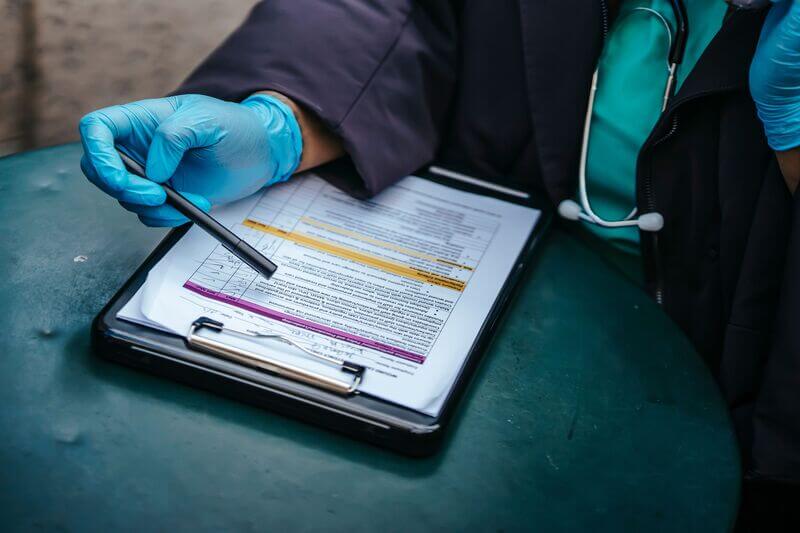

Most care homes do not know the answer. Here is a rough way to find out: check which of the five leaks below describe your home, then multiply by your own numbers.
- Writing notes by hand. A short note takes one to two minutes; a full set for one resident at handover can take five. Multiply by your resident count and the number of shifts a day.
- Reading someone else's handwriting. A few seconds here, a re-read there, and across a shift those seconds add up.
- Searching for old records. A family member calls about something from last week. Count the minutes from "let me check" to actually finding the answer.
- Rewriting the same information. Allergies on one form, medications on another, mobility on a third. Every change gets entered more than once.
- Handover gaps. Something one shift wrote that the next shift never saw. The cost here is whatever got missed, not time.
For a home with 30 residents and 12 staff, that adds up to a conservative 30 to 60 minutes per caregiver per shift, six to twelve hours across the team every single day. Run it against your own numbers and the total is usually higher than expected, because most homes have never actually added it up before.
None of this means digitising everything in week one. Pick one thing and prove it works before moving to the next.
- Audit your paperwork. Walk a single shift end to end and write down every form, log, and folder a caregiver touches. Most homes find more than they expected.
- Pick one workflow first. Care notes are usually the best place to start, since they happen many times a day by every staff member, and the time savings show up within the first week.
- Train one shift before the rest. Pick a confident shift with a supportive manager, run it for two weeks, and fix the small problems before rolling out further.
- Measure what changed. Time the handover before and after, and count the "where is the file?" moments per week. The numbers make the case for whatever workflow you digitise next.
In our 2025-26 survey, 7 in 9 UK care home managers said they would trust a digital tool with care planning and daily notes.
What changes when the paper goes away
Care notes appear in one timeline, written and timestamped by whoever was on shift. The next caregiver opens the resident's profile and sees the last 48 hours in seconds. Family questions get answered the same morning instead of the following week. Inspectors get exports instead of a stack of folders.
One honest caveat: going digital does not make documentation disappear. Writing a care note, checking a medication chart, filling in an incident form: that work is real, because it is the record of what actually happened to a resident. What changes is the five leaks above: the searching, the rewriting, the gaps. Not the writing itself.
The same five leaks show up in other parts of a shift too. Paper is a big part of why medication errors happen and why incident follow-up gets skipped: the record exists, but nobody can find the pattern inside it.
Frequently asked questions
How long does it take to switch a small care home off paper?
Most small homes (under 40 beds) move their daily care notes to digital in two to four weeks. Full operations, including rota, medications, and incidents, usually take eight to twelve weeks if staged properly.